A New Type of Morgan Dollar: Passing the Ping Test but Failing Sigma Verification
Keywords: Morgan dollar, counterfeit, fake silver coin, sigma metalytics, coin authentication, silver stacking, PMV, conductivity test, precious metal testing, coin collecting safety, ping test
Introduction
The market for collectible silver coins has grown rapidly over the last few years—and so has the sophistication of counterfeiters. Recently, a collector reported a suspicious Morgan Dollar that passed several traditional tests but failed Sigma Metalytics verification. This article documents the entire case as reported by the collector.
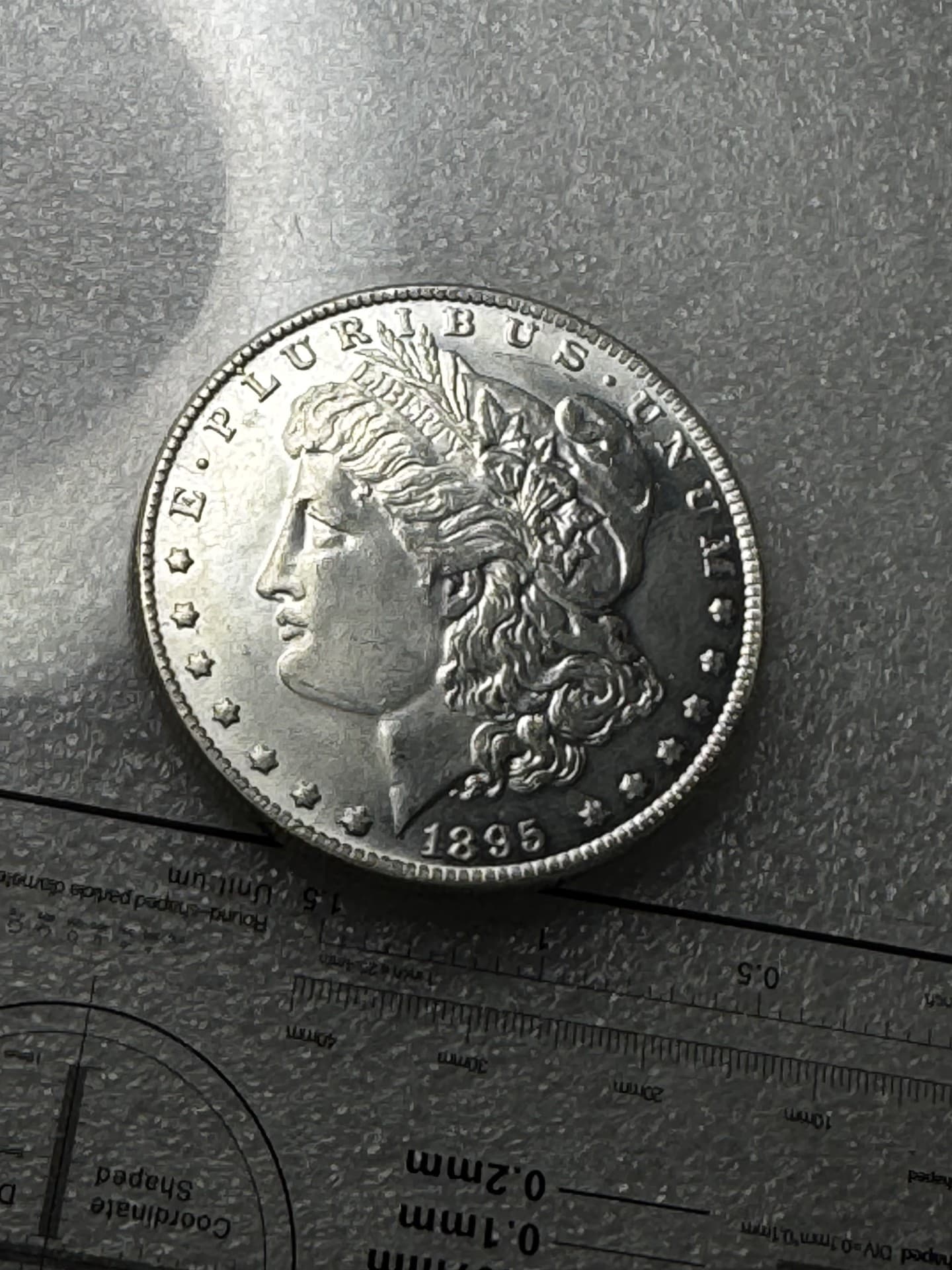
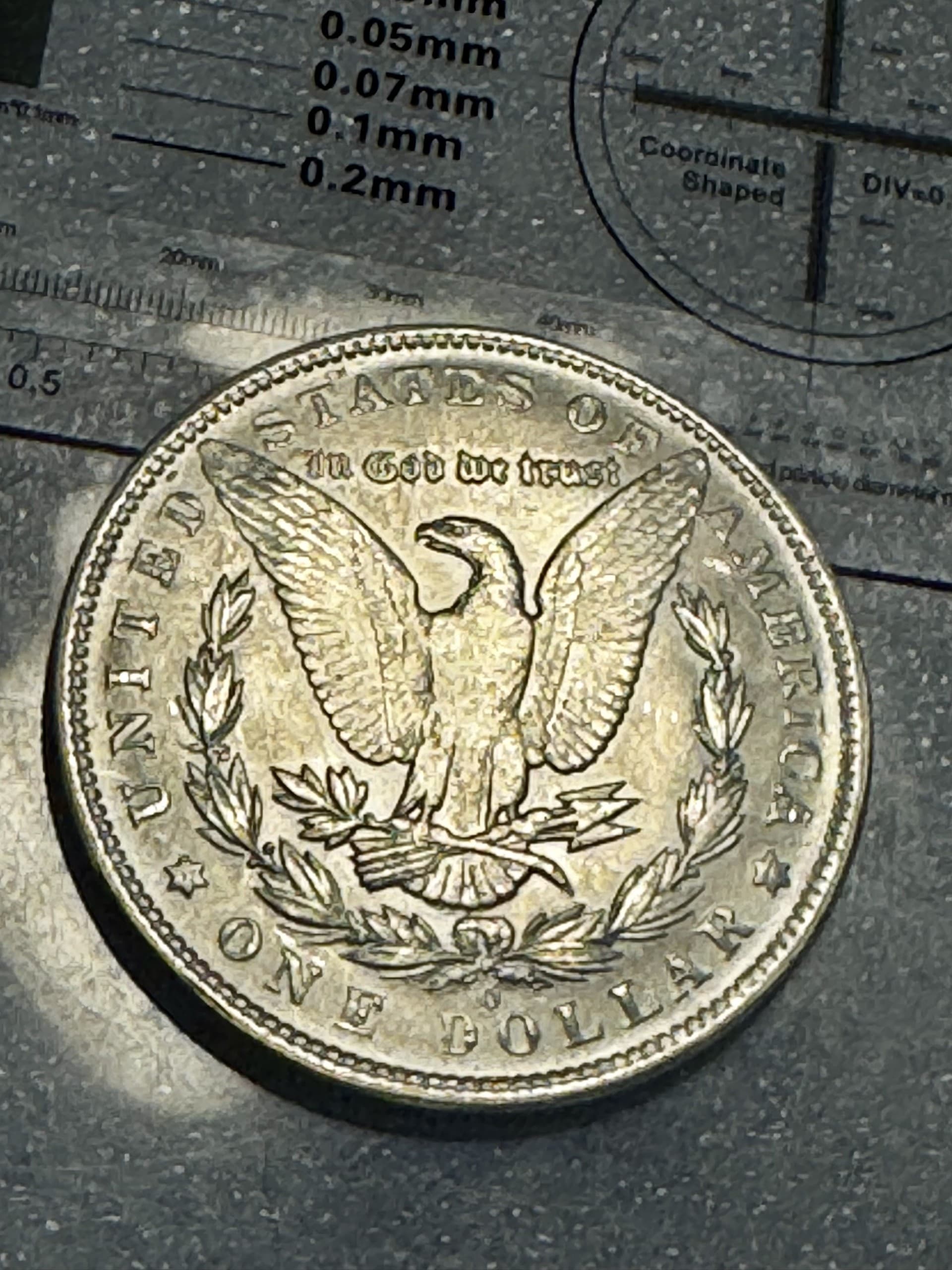
1895-O Morgan Dollar: Obverse and Reverse
Important note: We have not physically examined this coin ourselves and cannot perform independent laboratory analysis since it was returned. Therefore, we cannot definitively confirm its authenticity status or actual composition. We share this case to document the test inconsistencies and help other collectors recognize similar situations.
Goal of this article:
- Document a real case where ping tests passed but Sigma tests failed
- Show that test inconsistencies are red flags, even without knowing exact composition
- Help collectors make confident decisions when facing conflicting test results
- Demonstrate that material testing measures composition, not mint authenticity
Summary of the Case
A collector purchased an 1895-O Morgan Dollar—a rare and high-premium coin. Because of its value and suspiciously good aesthetics, the buyer decided to test it using multiple tools:
- Precious Coin Tester app: Passed
- TheStackerTool app: Passed
- Weight & measurements: Reported as normal
- Visual authenticity: Looked extremely convincing
- Sigma Metalytics (coin shop result): Failed silver verification
- Sigma Metalytics PMV Basic (personal device): Failed all silver settings
- Advanced reading (~21.9 MS/m): Similar to rhodium (21.1 MS/m), but the acoustic signature was inconsistent with rhodium, meaning the composition is still unknown.
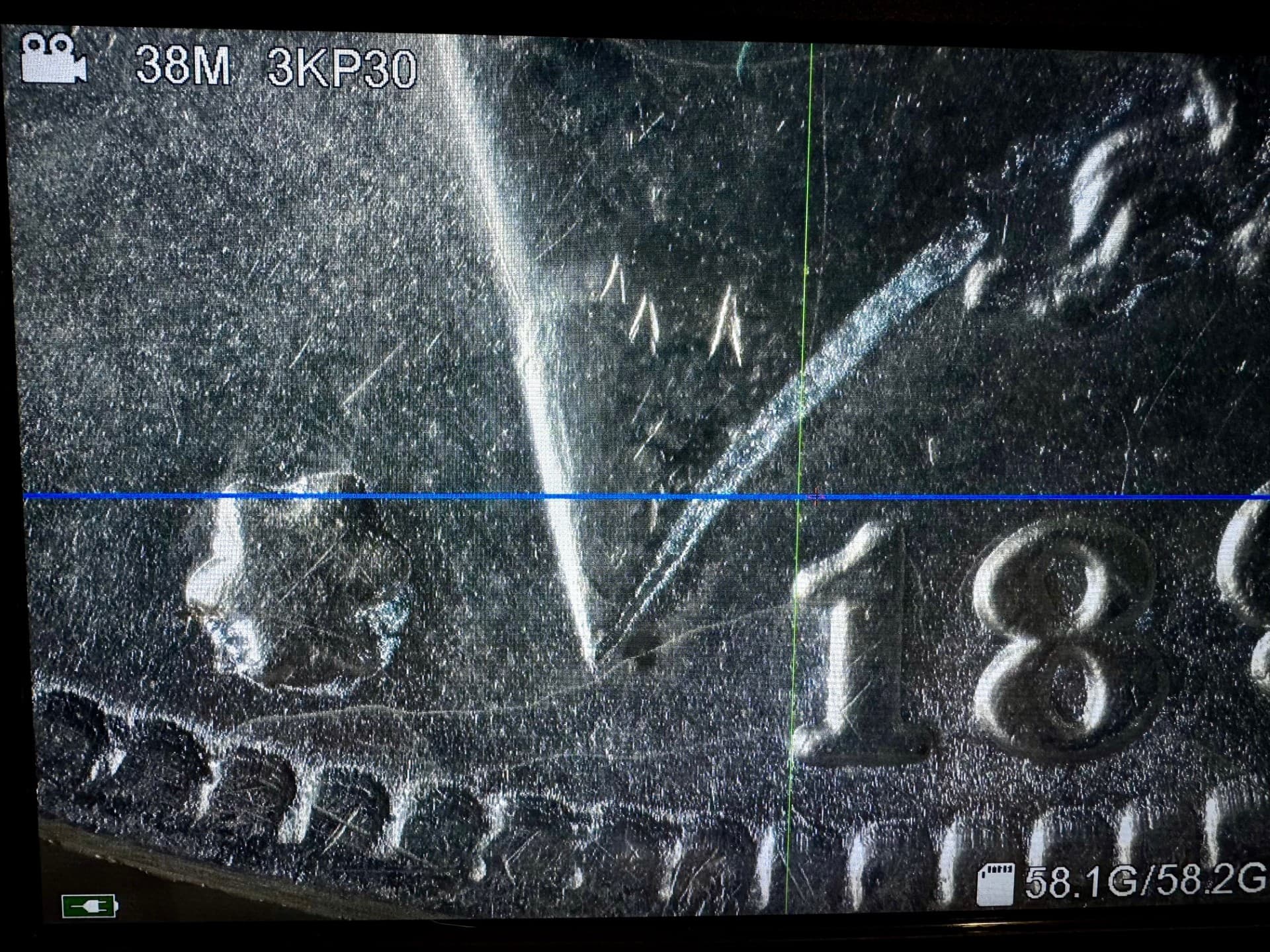
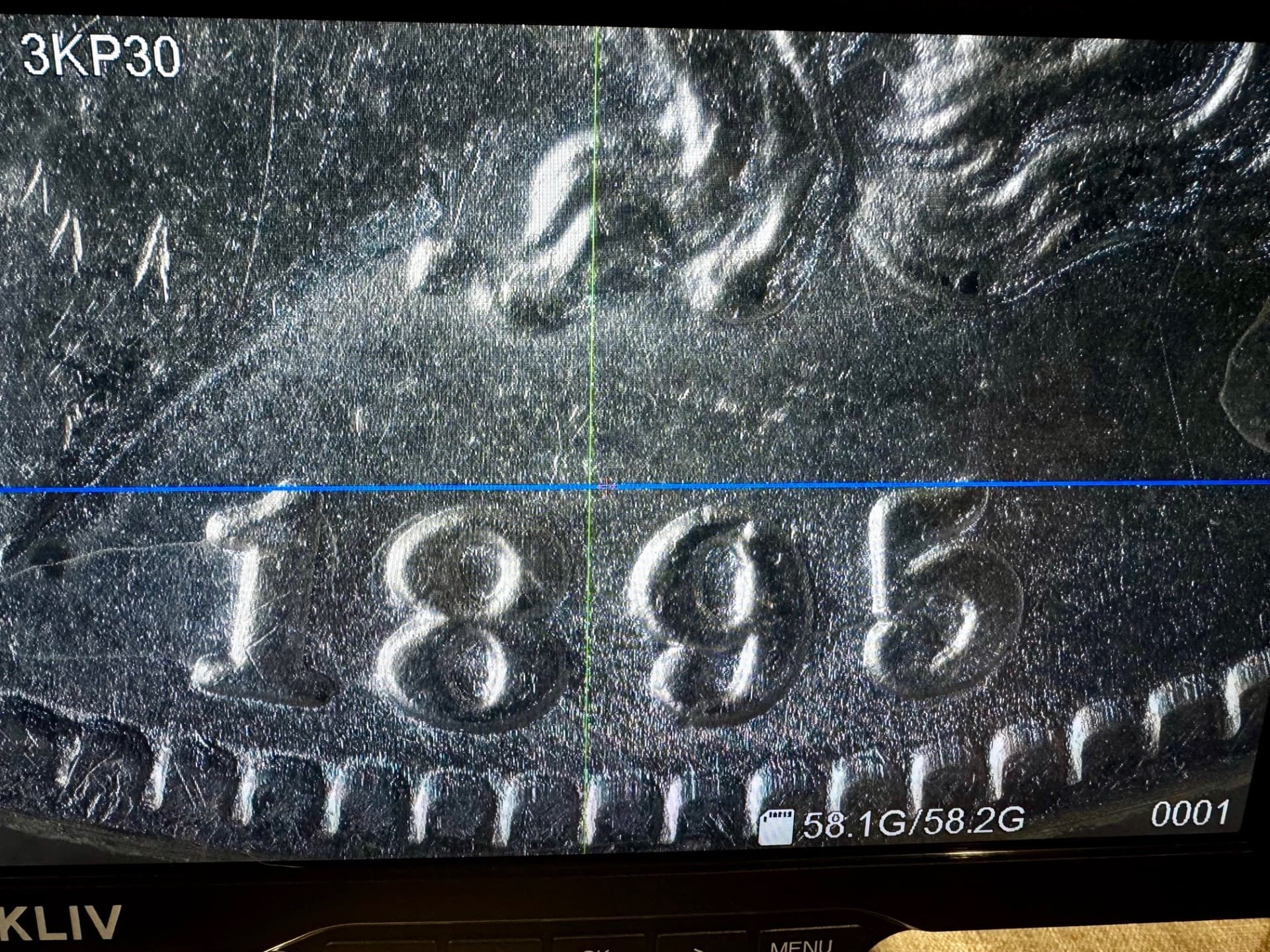
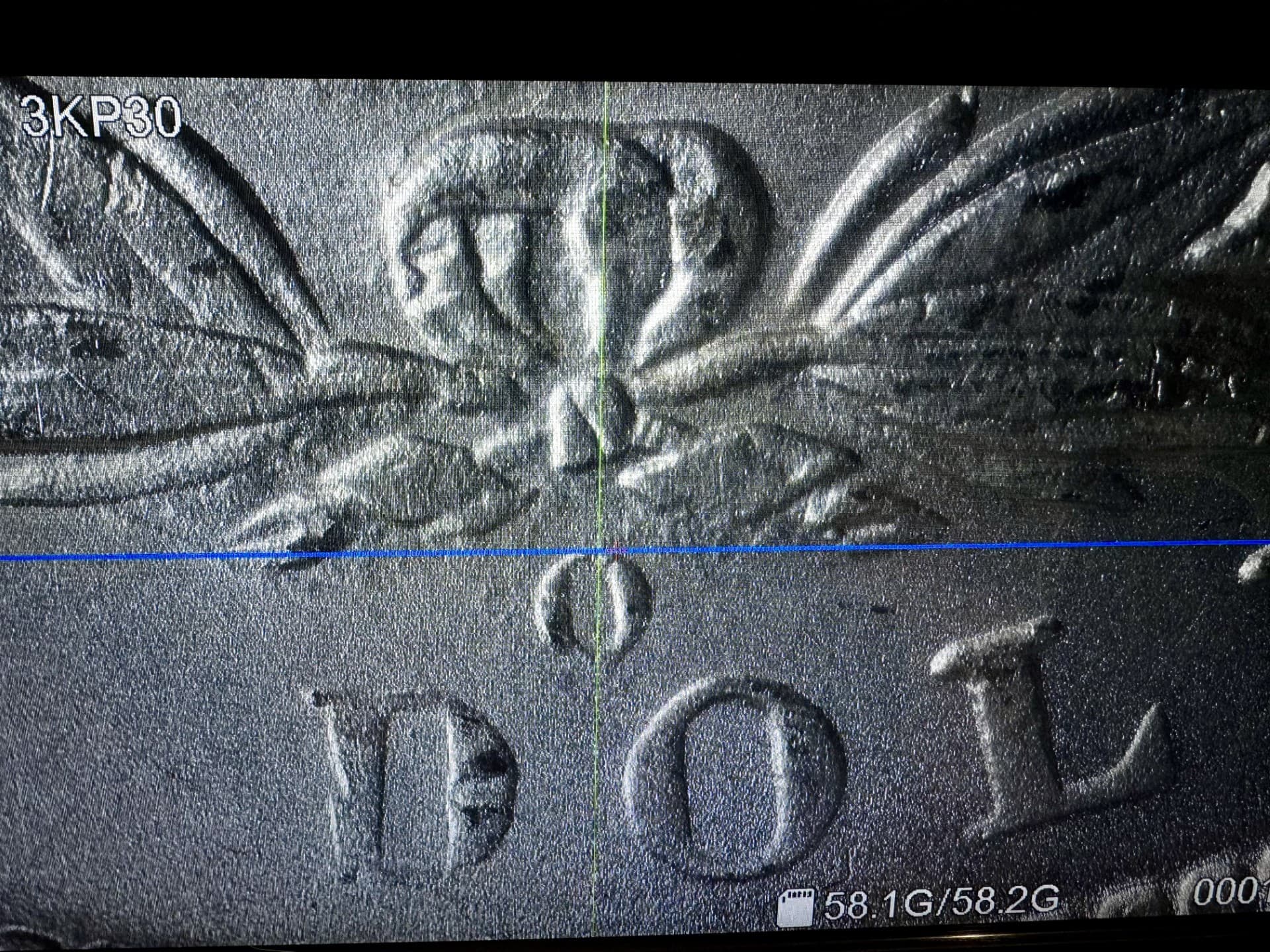
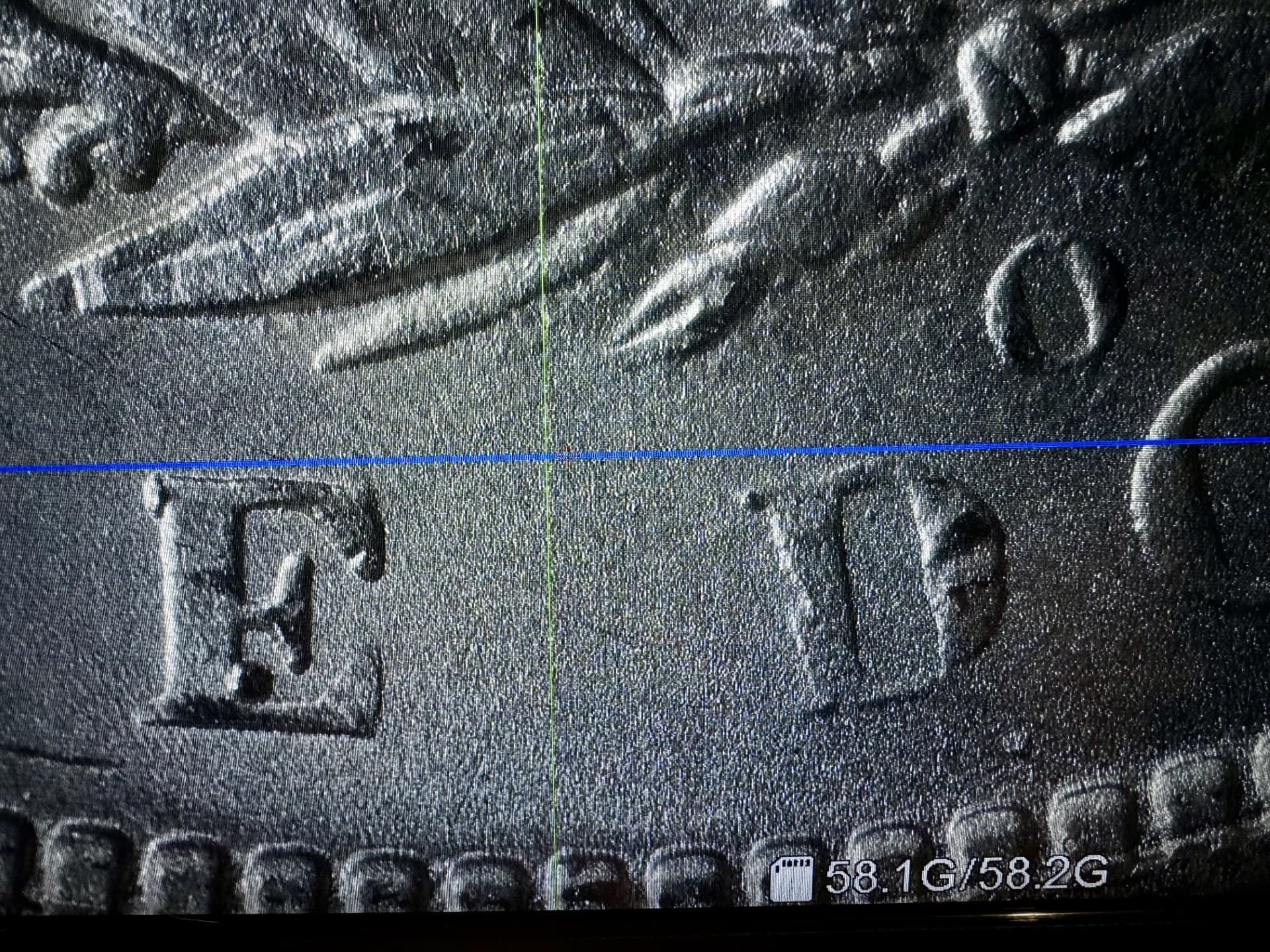
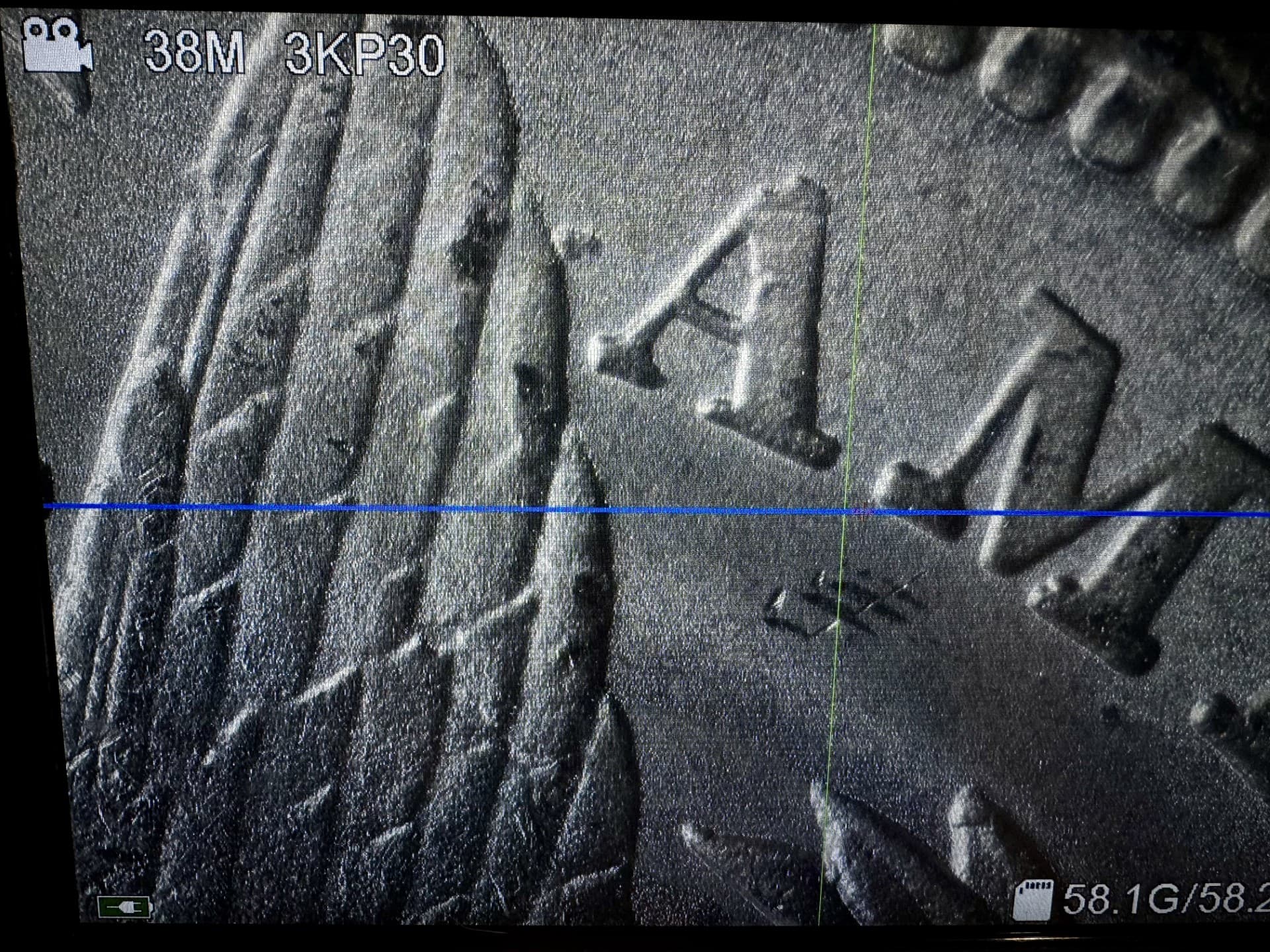
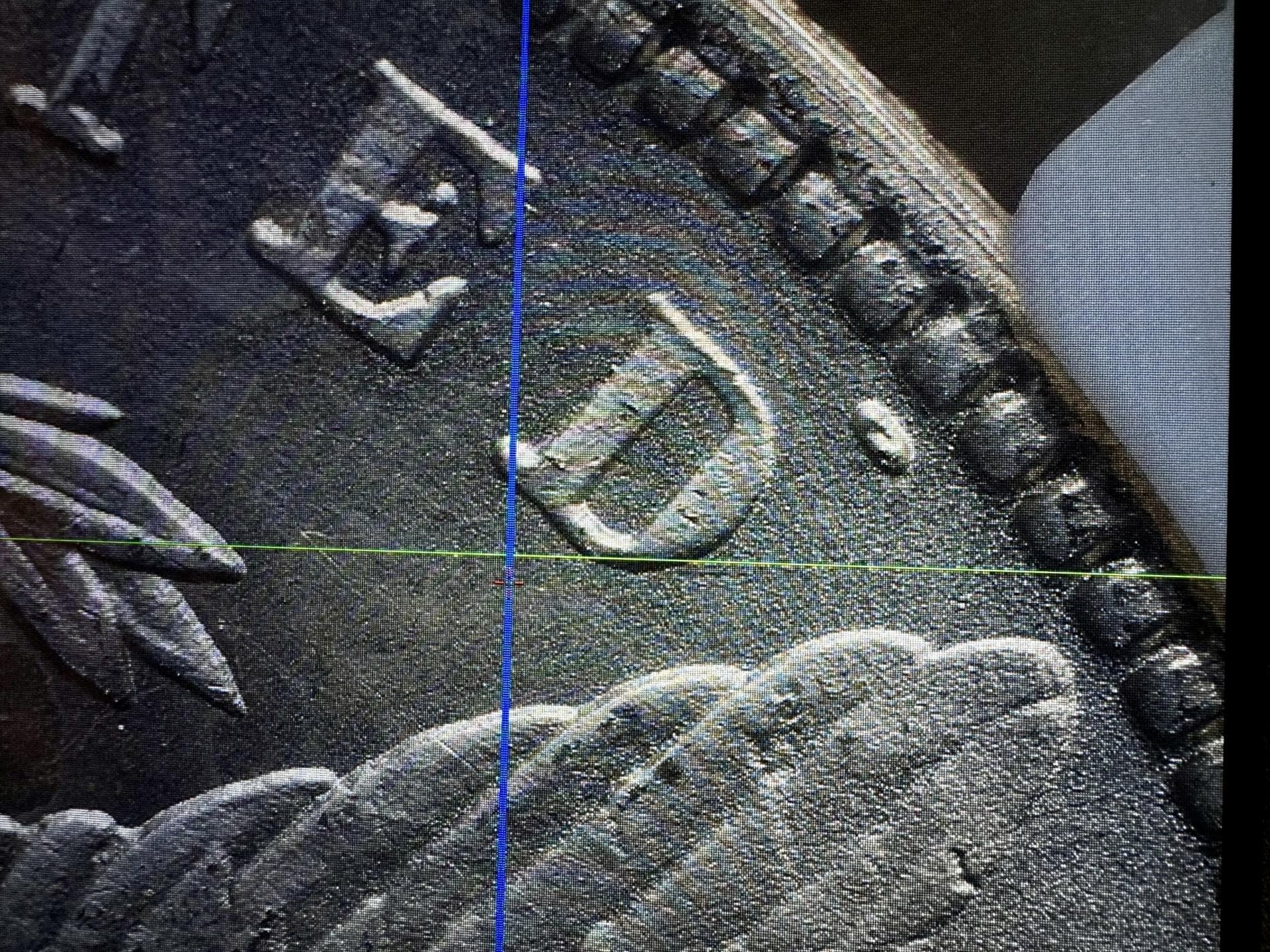
Close-up Detail Shots Showing Surface Quality and Features
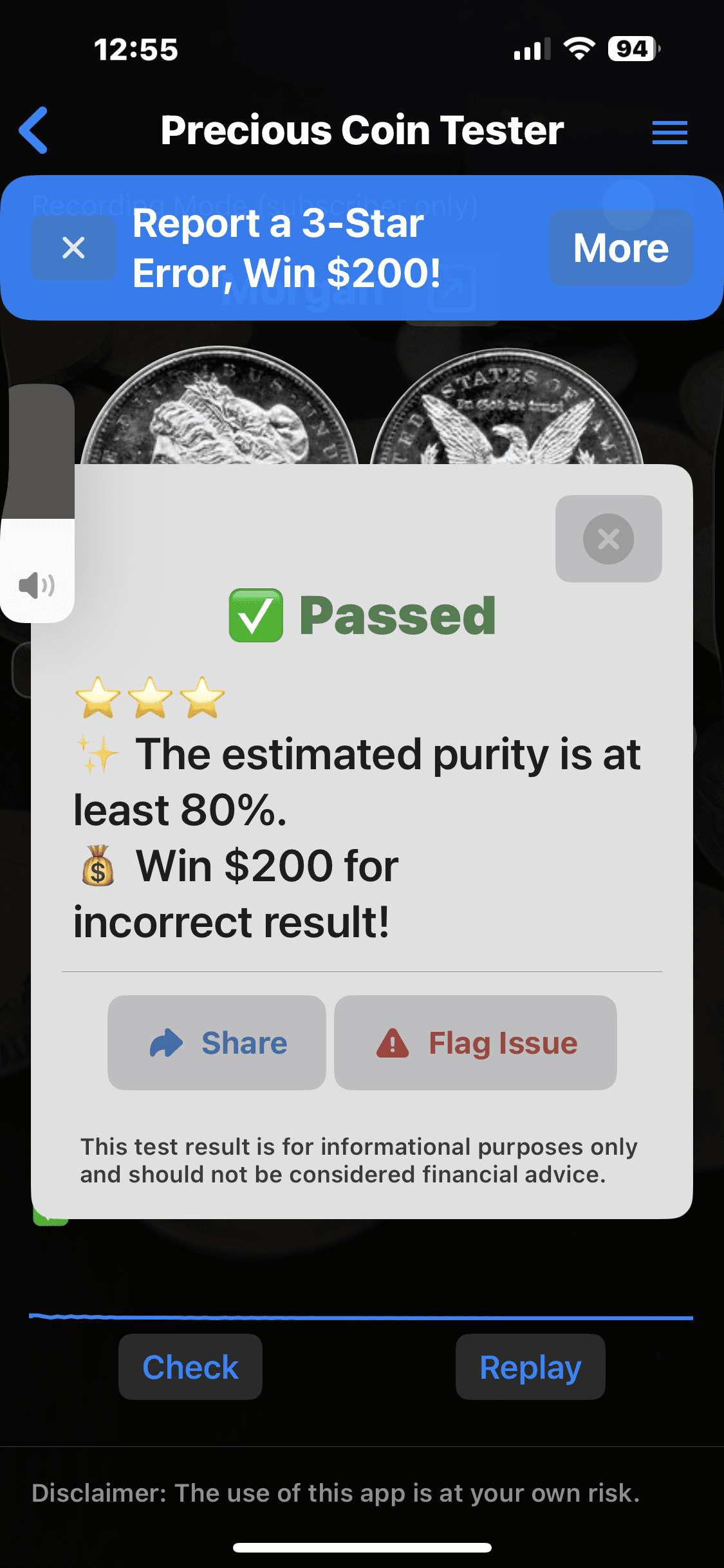
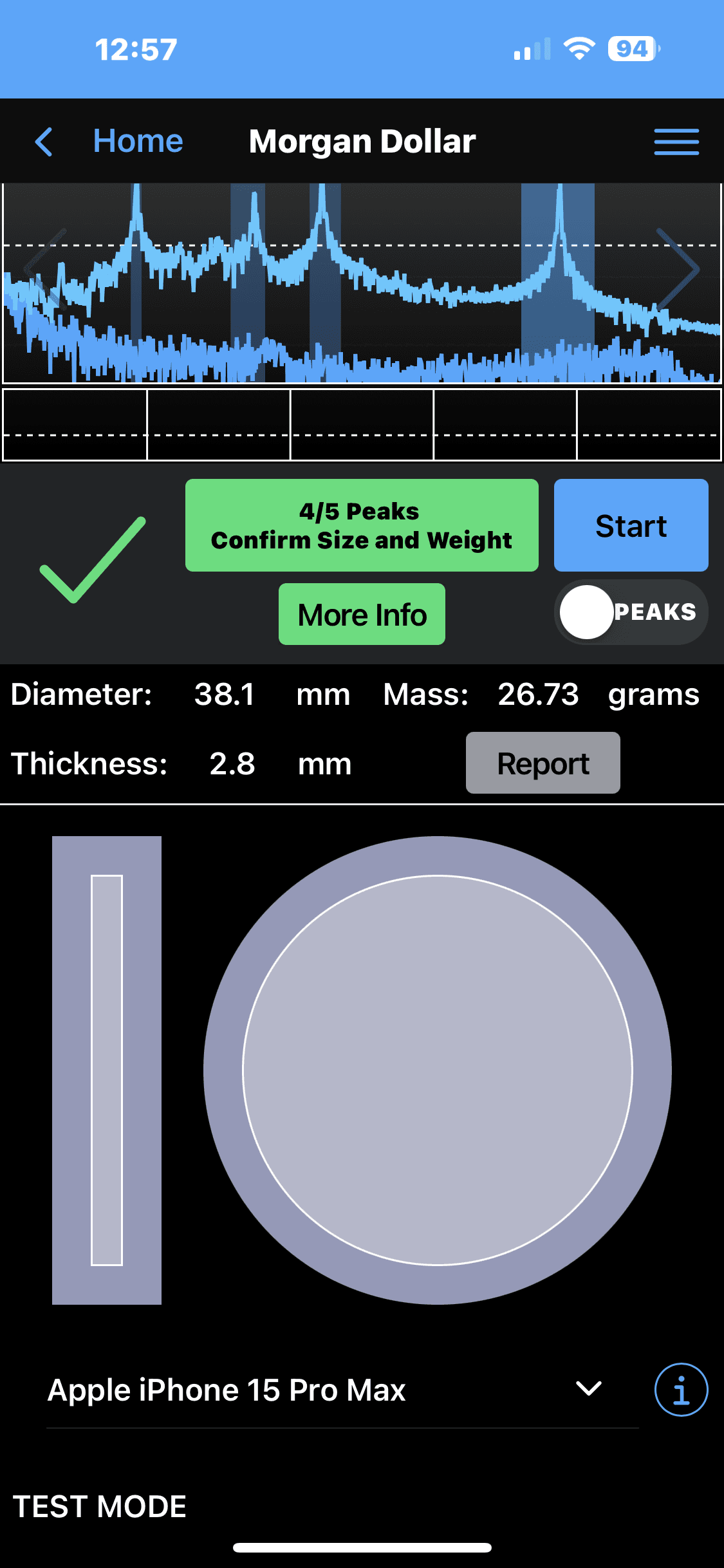
App Test Results - Both Passed
Outcome: Given the high premium and significant cost of the 1895-O Morgan Dollar, combined with the Sigma test failures, the collector chose to return the coin. Unfortunately, we were unable to obtain the coin for independent laboratory analysis this time. We cannot know the material or the silver purity of the coin. While we cannot confirm with certainty that it was counterfeit without hands-on examination, the Sigma failure is a strong indicator of inauthenticity.
Timeline of Events
1. Initial Test: Sigma Metalytics Failure
The collector reported that the coin failed the Sigma verifier on silver, despite looking and sounding genuine.
"1895-O has failed the sigma reading... it will not pass the pre-1900 90% silver test. Probability 80% silver or 999 silver."
Based on this reading, the coin shop indicated it was likely counterfeit.
2. Additional Context and Request for Photos
We requested:
- Photos of diameter
- Photos of weight
- Sigma readings (both standard and measurement mode)
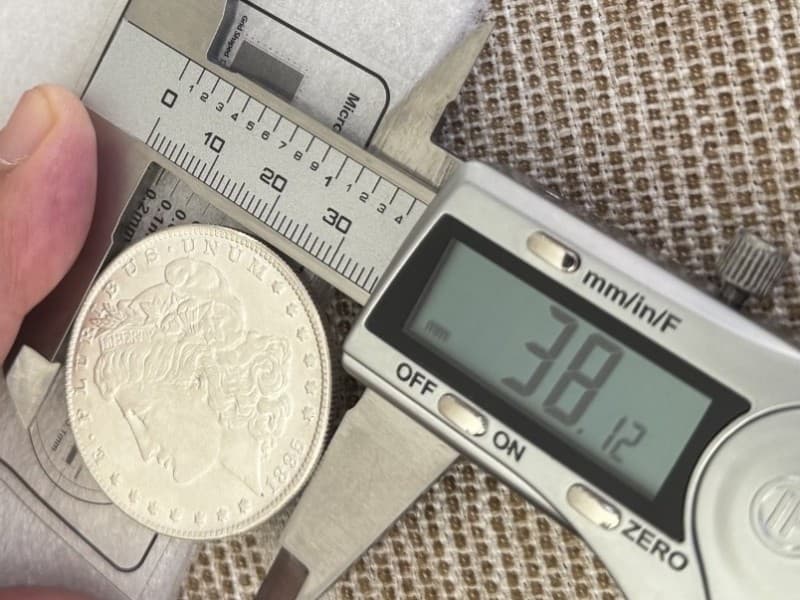
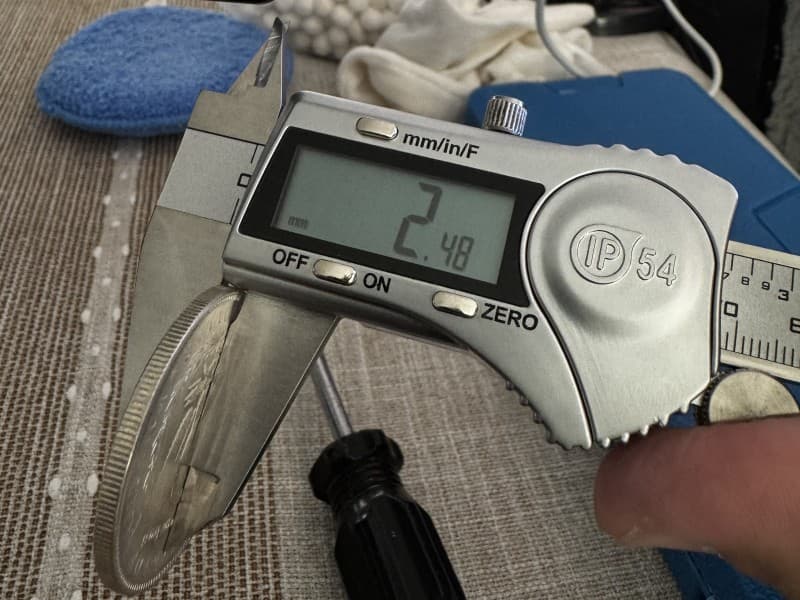
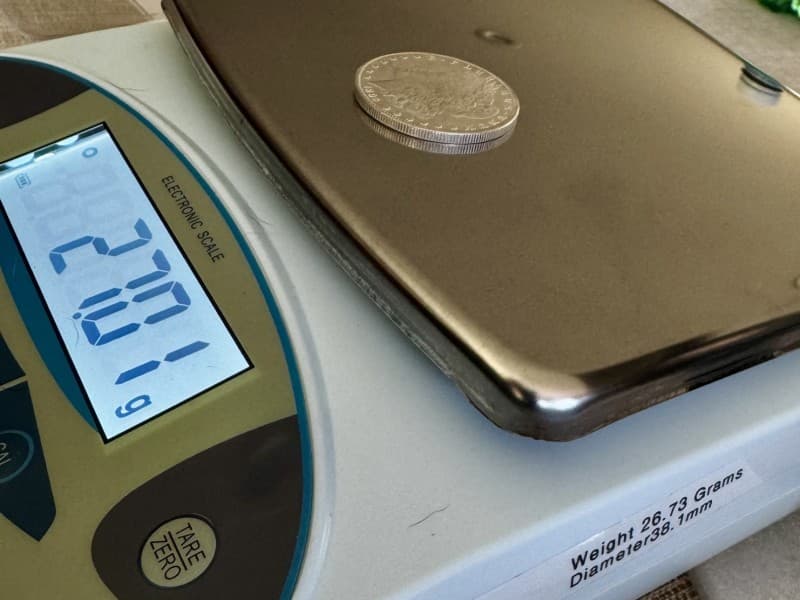
Physical Measurements of the Coin
3. Collector Buys a PMV Basic for Further Testing
Curiosity led the collector to purchase their own PMV Basic unit to test the rest of their collection.
_I went ahead and bought a Sigma tester… this coin got my curiosity to see if I have any more counterfeit coins in my collection. _
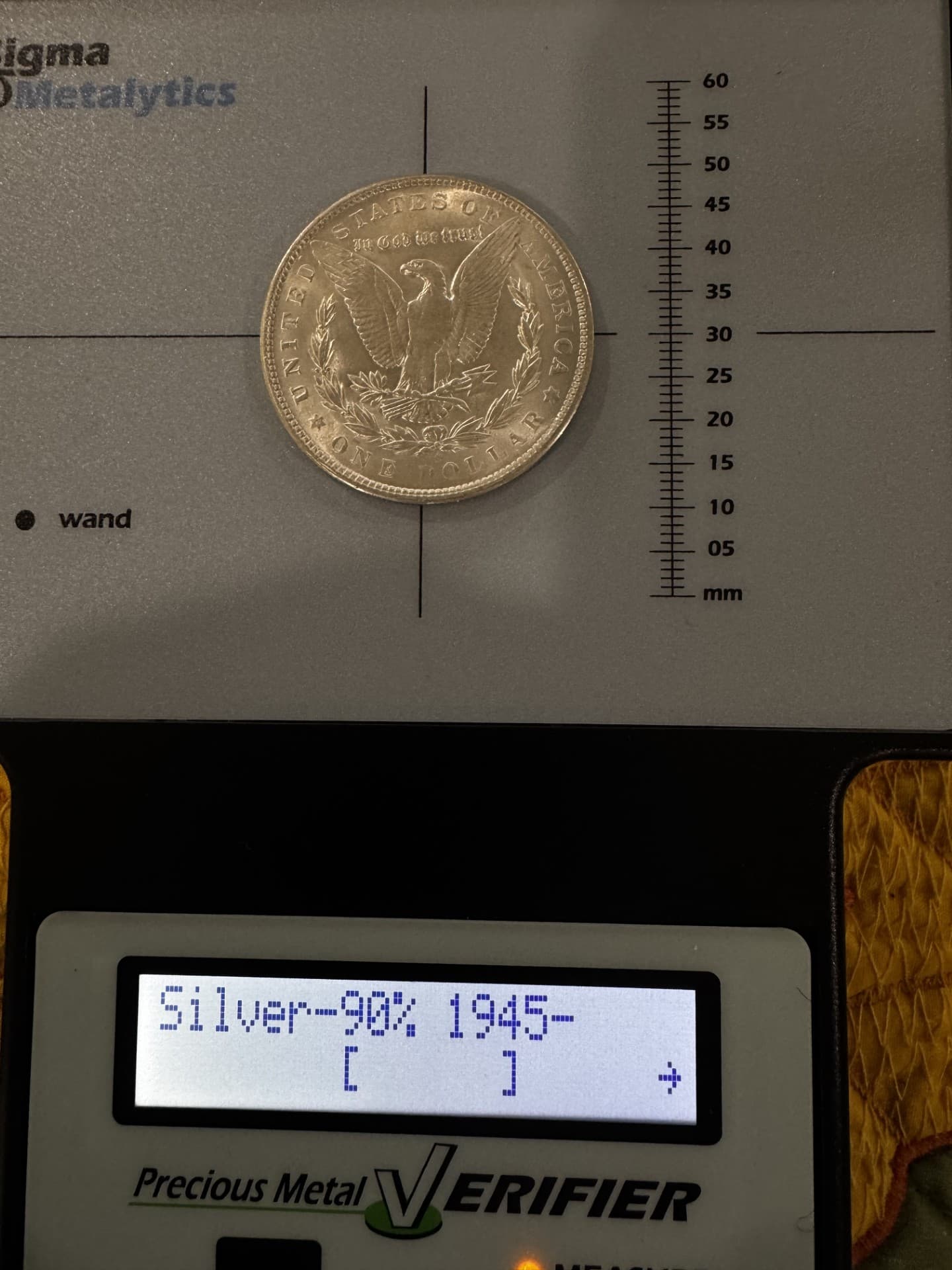
4. Strange Result: The Coin Passed the Rhodium Setting
This is where things got interesting.
The coin did not pass any silver setting…but passed Rhodium.
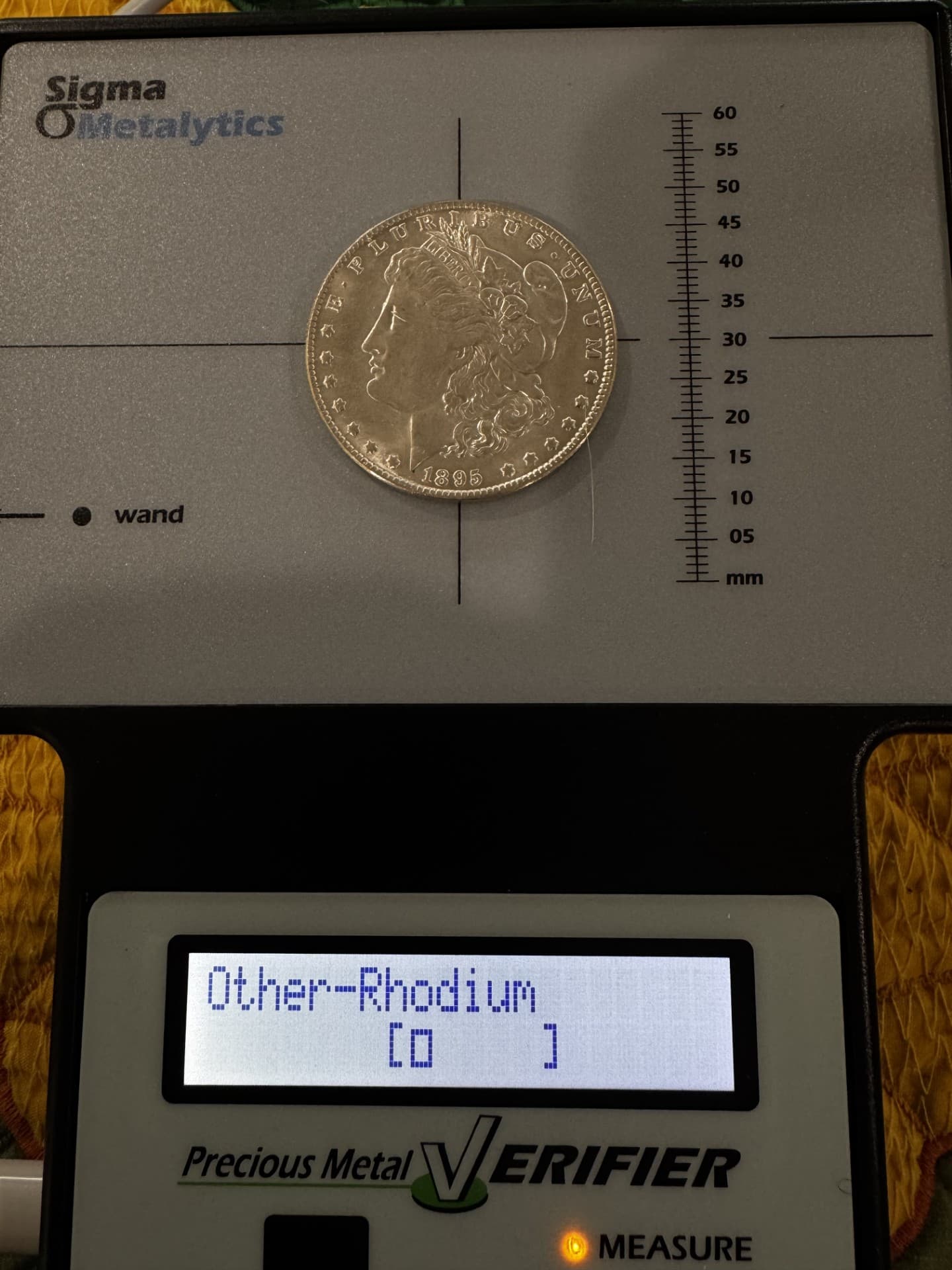
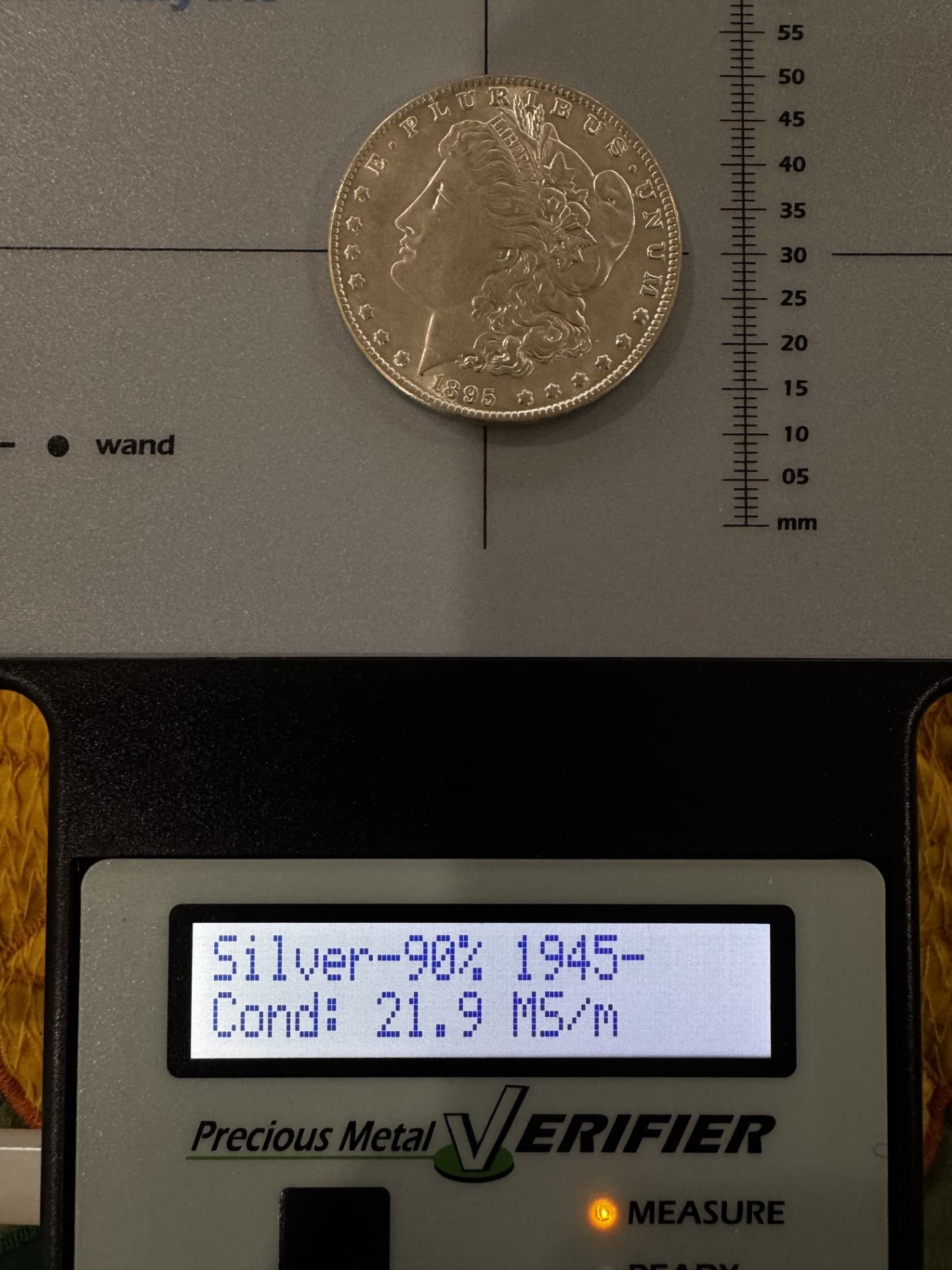
Sigma Metalytics Test Results
Rhodium has a similar conductivity to the reading observed (~21 MS/m), but:
- A rhodium coin would sound completely different on the ping test
- Rhodium is far more expensive than silver (~$8000/oz: source)
- A counterfeit coin made of rhodium is extremely improbable
Conclusion: the coin is not rhodium, and the real composition remains unknown.
5. Final Decision: Return the Coin
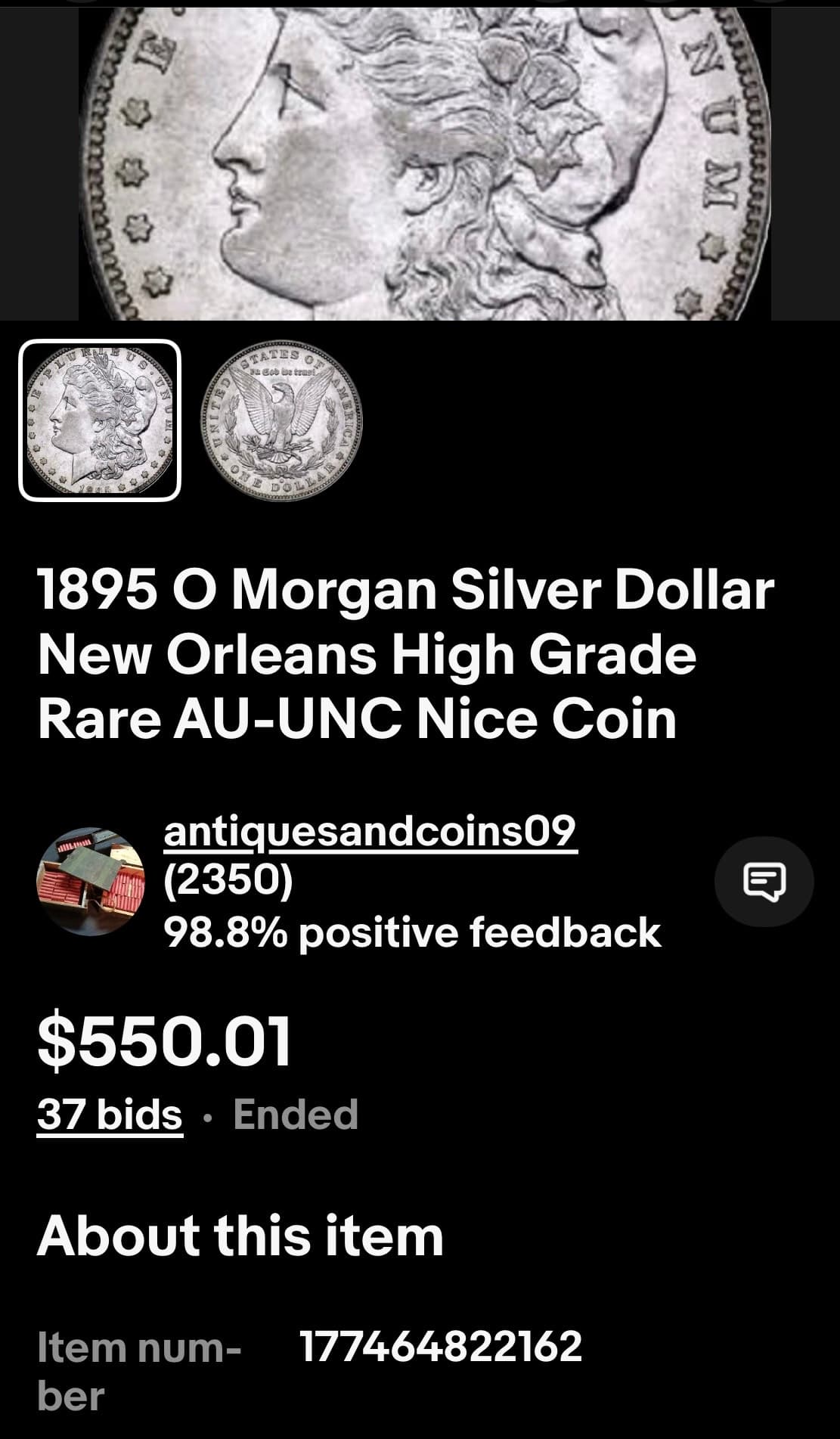
Due to the return deadline and inconsistent tests, the collector returned the coin through eBay's refund process.
I didn't want to run out of time and be stuck with it… hopefully this helps your team. Maybe stop this type of counterfeit Morgan.
6. Follow-Up: Testing the Whole Collection
After receiving the PMV Basic, the collector tested the entire stack of coins: all of which had previously been verified using the Precious Coin Tester app.
Result: All other coins in the collection passed the Sigma Metalytics test.
This outcome is significant because it suggests:
- The collector's other coins are likely genuine
- This particular 1895-O Morgan Dollar is an isolated case
- This type of sophisticated counterfeit may be a relatively recent development in the market
Why This Case Is Concerning
Based on the collector's report, this coin exhibited characteristics that make it particularly difficult to detect:
- ✔ It reportedly had correct weight and dimensions
- ✔ It looked extremely well-made: both the surface and the details resembled a genuine Morgan Dollar
- ✔ It passed the ping test: we (Precious Coin Tester app) have evaluated it to be more than 80% silver
However: Only Sigma Metalytics, specifically its conductivity measurement mode, indicated something was wrong with the alloy composition.
Note: All physical observations are based on the collector's reported materials and testing results.
What Could This Coin Be Made Of?
IMPORTANT DISCLAIMER: Without independent verification via destructive testing or advanced metallurgical analysis, for example Potentiometric Titration, we cannot know the actual composition of this coin. The following analysis is based solely on the reported test results and should be considered speculative.
Evidence #1: Reported Conductivity Reading of 21.9 MS/m
The Sigma Metalytics measurement mode revealed a conductivity of approximately 21.9 MS/m. Here's how this compares to known metals:
| Metal | Conductivity (MS/m) |
|---|---|
| .900 Silver (Morgan) | ~44 MS/m |
| .999 Silver | ~62 MS/m |
| Copper | ~58 MS/m |
| Rhodium | ~21 MS/m |
| Zinc | ~17 MS/m |
| Nickel | ~14 MS/m |
| Tin | ~9 MS/m |
The reading is significantly lower than silver or copper but higher than most common base metals.
However: We cannot verify this reading independently, and measurement conditions (surface oxidation, device calibration) can affect results.
Evidence #2: Reported Acoustic Signature (Ping Test)
The coin reportedly produces a sound characteristic of ~90% silver according to Precious Coin Tester app.
Possibilities:
- The coin contains significant silver content
- The coin uses a different metal composition that coincidentally mimics silver's acoustic properties (Unlikely)
Possible Composition Hypotheses
Given the reported test results (with all caveats about verification), several scenarios are possible:
Hypothesis 1: Modified Silver Alloy (Most likely)
- Contains 80-90% silver mixed with an alternative metal (not standard 10% copper)
- Would explain the acoustic match and lower conductivity
- Would explain why it fooled ping tests but failed Sigma
Hypothesis 2: Silver-Mimicking Alloy (Unlikely)
- Contains a different metal combination that produces similar acoustic properties
- Would explain the ping test passes
- We've offered a reward (now increased to $200) for over a year for verified cases but none found yet, making this scenario highly improbable
Hypothesis 3: Measurement Error (Unlikely)
- The Sigma reading could have been affected by surface conditions
- The coin might be genuine but tested under non-ideal conditions
- Less likely given multiple test failures at different locations
Hypothesis 4: Authentic Variant (Extremely unlikely)
- Possible experimental or error mint product
Critical point: Without laboratory analysis (XRF spectroscopy, destructive assay, or similar), all composition theories remain speculative. The value of this case is in demonstrating test inconsistencies, not in definitively identifying the counterfeit method.
What Collectors Can Learn From This Case
This case demonstrates several important principles:
- Material testing measures composition, not authenticity: Even if this coin contained genuine silver, it could still be counterfeit
- Sophisticated counterfeits exist
- Test inconsistencies are red flags
Remember: You don't need to prove a coin is fake; you need to be confident it's genuine. When that confidence is lacking, it's better to walk away, especially for high-premium coins
Conclusion
This reported case illustrates the challenges collectors face when authenticating high-value Morgan Dollars. While we cannot definitively confirm this specific coin was counterfeit without independent examination, the Sigma test failures across multiple settings present a strong red flag.
Even without definitive answers, this case provides value. By documenting this case publicly, we hope to:
- Raise awareness about testing limitations and inconsistencies
- Help collectors recognize similar situations
- Encourage comprehensive testing of high-value purchases
- Support informed decision-making under uncertainty
Transparency note: We did not physically examine this coin and cannot independently verify the reported test results or physical characteristics. All information is based on the collector's reports and photographic documentation. We present this case as reported, with appropriate uncertainty, to benefit the collecting community.
Call to Action
If you've encountered a similar coin or have additional information about this type of case, please share your experience. Your report helps the community stay informed and protected—and you might even earn a reward!

Follow up
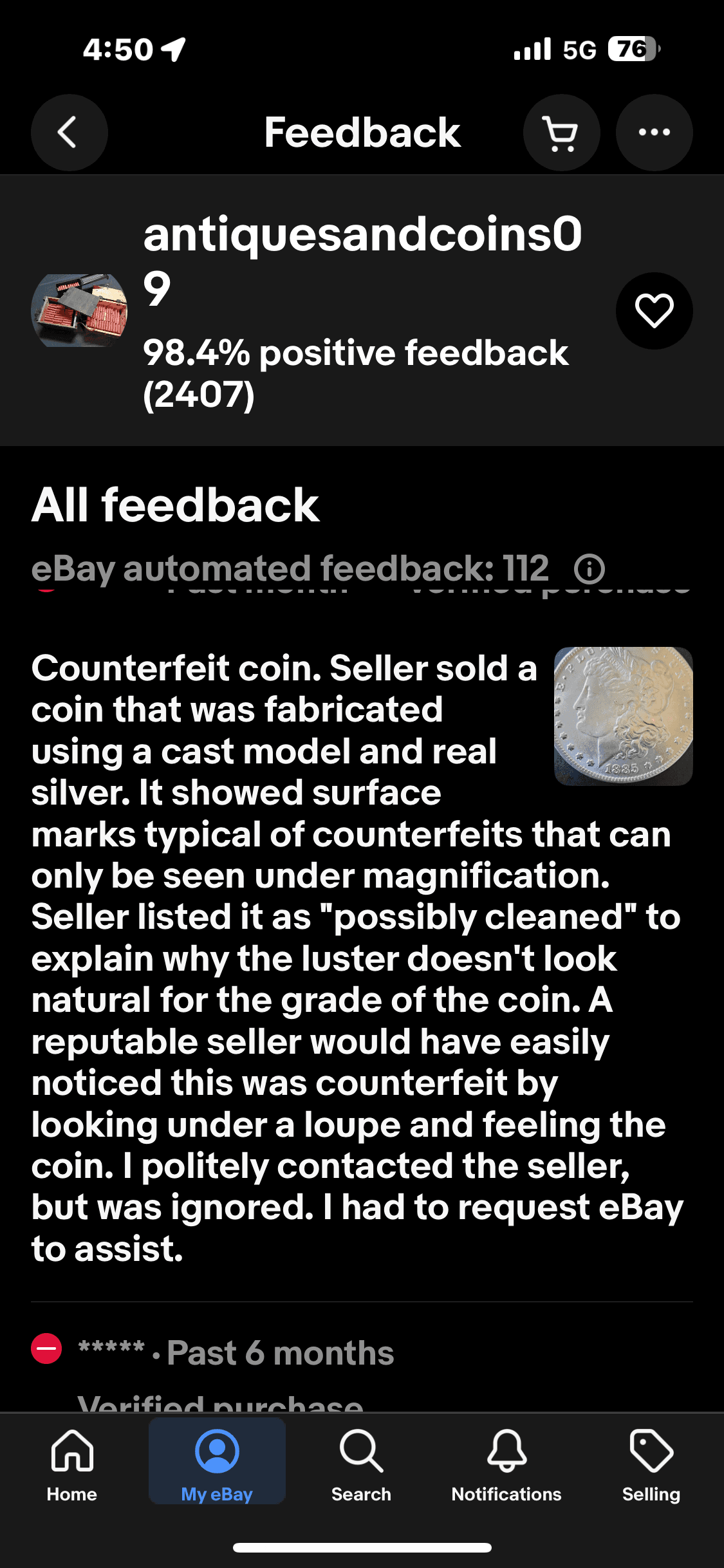
Another users review on the same seller also aligns with our analysis about the metal content.